Prepare for turbulence - how a prolonged Middle East conflict could reshape how we fly
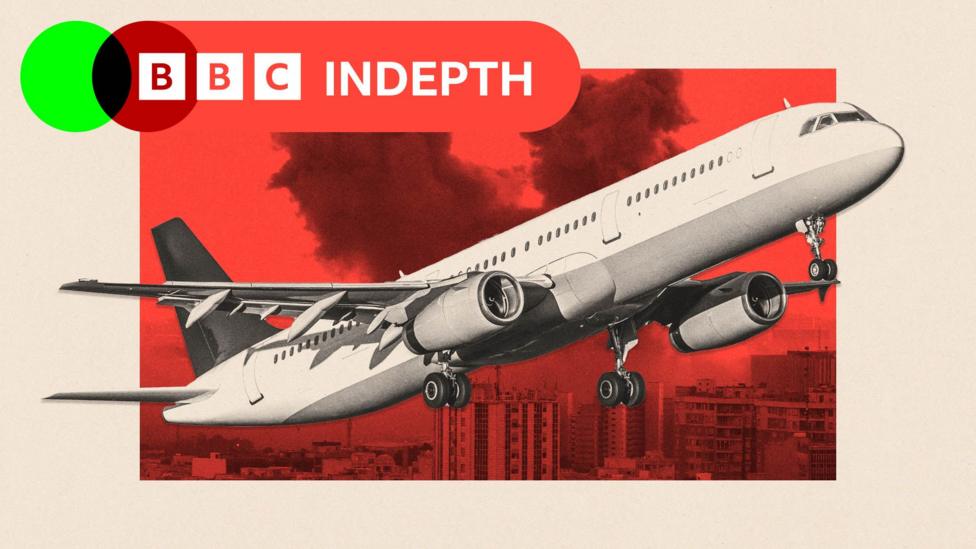
The Gulf's hub airports made long-distance travel cheaper - but now their future looks unclear.
Editorial perspective
AI-assisted
A potential escalation in Middle Eastern tensions threatens the economic model that revolutionized global aviation over the past two decades. Gulf carriers like Emirates, Qatar Airways, and Etihad transformed Dubai, Doha, and Abu Dhabi into connecting hubs that dramatically reduced long-haul travel costs through economies of scale and geographic positioning. This hub-and-spoke system now moves millions of passengers annually between continents at price points legacy carriers cannot match.
Prolonged regional instability could force route diversions, increase insurance premiums, and deter transit passengers, undermining the competitive advantages these airports built. The implications extend beyond airline balance sheets: corporations dependent on efficient global connectivity for supply chains and business travel would face higher costs. Meanwhile, European and Asian carriers might recapture market share if Gulf hubs lose their appeal. For investors holding airline stocks or companies with significant Middle East exposure, the risk calculus around regional aviation infrastructure has fundamentally shifted.
Editorial perspective
AI-assistedA potential escalation in Middle Eastern tensions threatens the economic model that revolutionized global aviation over the past two decades. Gulf carriers like Emirates, Qatar Airways, and Etihad transformed Dubai, Doha, and Abu Dhabi into connecting hubs that dramatically reduced long-haul travel costs through economies of scale and geographic positioning. This hub-and-spoke system now moves millions of passengers annually between continents at price points legacy carriers cannot match.
Prolonged regional instability could force route diversions, increase insurance premiums, and deter transit passengers, undermining the competitive advantages these airports built. The implications extend beyond airline balance sheets: corporations dependent on efficient global connectivity for supply chains and business travel would face higher costs. Meanwhile, European and Asian carriers might recapture market share if Gulf hubs lose their appeal. For investors holding airline stocks or companies with significant Middle East exposure, the risk calculus around regional aviation infrastructure has fundamentally shifted.