Gulf economies face long-term hit from Iran conflict
Commentators say it will take years or even decades to repair the damage.
Editorial perspective
AI-assisted
The escalating tensions with Iran threaten to undermine decades of Gulf states' efforts to diversify their economies and attract foreign investment. While oil price volatility presents immediate concerns for energy markets, the deeper worry centers on business confidence and capital allocation decisions. Multinational corporations and institutional investors have spent years building operations in Dubai, Riyadh, and other regional hubs, positioning them as bridges between East and West. Prolonged geopolitical instability could reverse these flows, pushing companies to relocate critical infrastructure to more stable jurisdictions. Insurance costs for shipping and business operations will rise, eroding competitiveness. The Gulf's ambitious Vision 2030-style transformation plans—from Saudi Arabia's NEOM to UAE's tech sector ambitions—depend on sustained foreign participation and expertise. If conflict persists, these nations risk losing a generation's worth of economic positioning, potentially relegating them back to pure commodity dependence precisely when energy transition pressures mount.
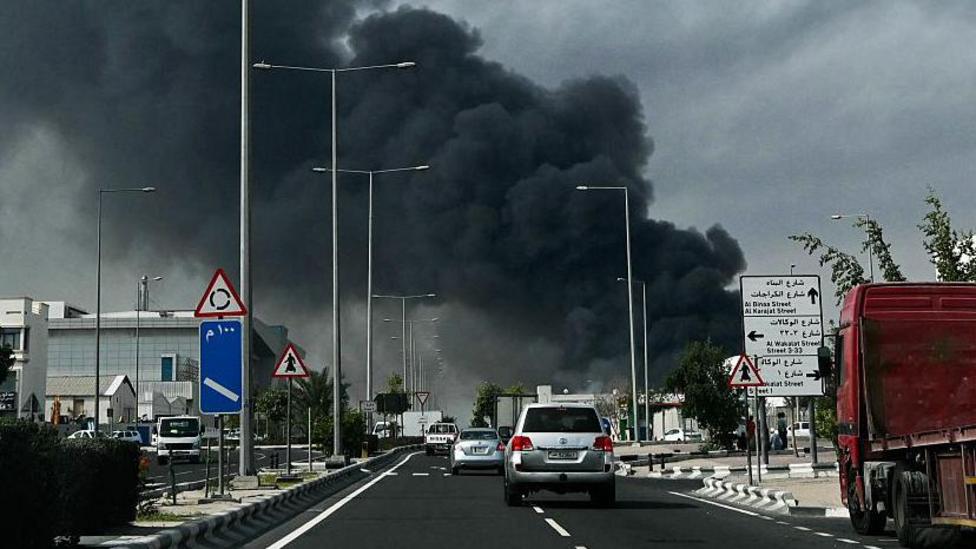
Editorial perspective
AI-assistedThe escalating tensions with Iran threaten to undermine decades of Gulf states' efforts to diversify their economies and attract foreign investment. While oil price volatility presents immediate concerns for energy markets, the deeper worry centers on business confidence and capital allocation decisions. Multinational corporations and institutional investors have spent years building operations in Dubai, Riyadh, and other regional hubs, positioning them as bridges between East and West. Prolonged geopolitical instability could reverse these flows, pushing companies to relocate critical infrastructure to more stable jurisdictions. Insurance costs for shipping and business operations will rise, eroding competitiveness. The Gulf's ambitious Vision 2030-style transformation plans—from Saudi Arabia's NEOM to UAE's tech sector ambitions—depend on sustained foreign participation and expertise. If conflict persists, these nations risk losing a generation's worth of economic positioning, potentially relegating them back to pure commodity dependence precisely when energy transition pressures mount.