No feelgood factor for Reeves as Iran war snuffs out economic upturn
Rise in unemployment and weak pay growth underline how tough this year will be for UK households
Editorial perspective
AI-assisted
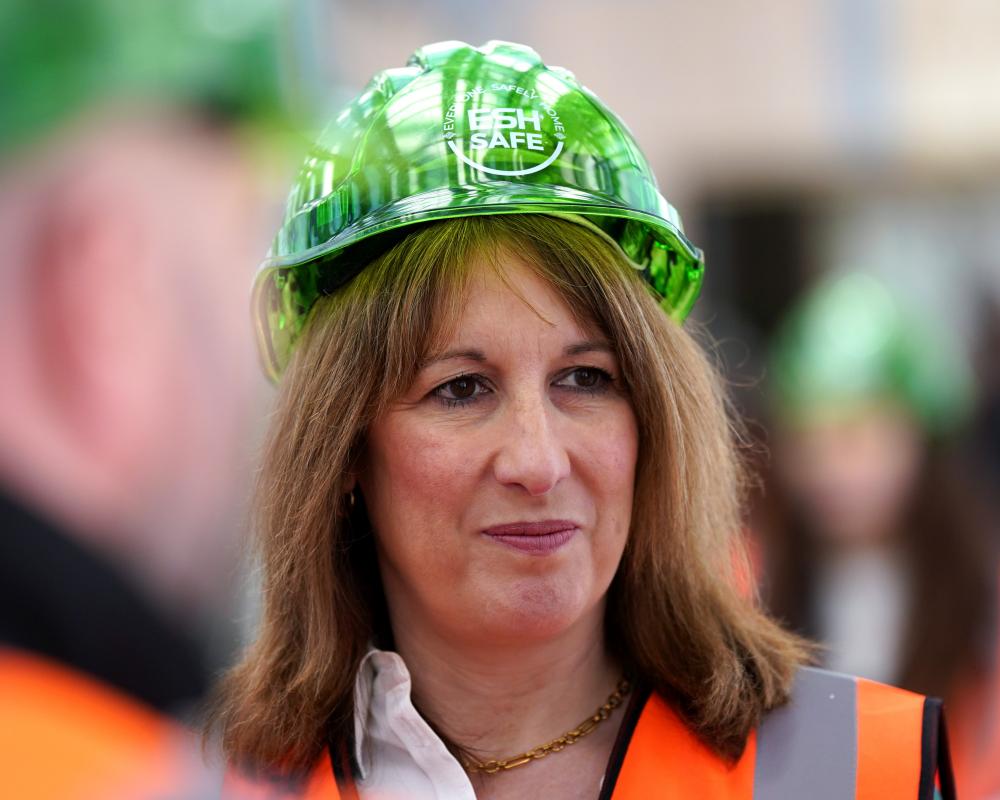
Chancellor Rachel Reeves faces a precarious economic landscape as nascent recovery signals fade amid geopolitical turbulence. Rising unemployment and anaemic wage growth suggest British consumers will experience continued financial strain throughout 2024, complicating the government's fiscal position and growth projections. The timing proves particularly awkward for Labour's economic credibility — any momentum from previous quarters appears vulnerable to external shocks from Middle Eastern conflict, which typically elevates energy costs and dampens business confidence.
For markets, this confluence of weak domestic fundamentals and geopolitical risk creates a challenging environment for sterling assets. Investors must recalibrate expectations around Bank of England policy trajectory, as persistent labour market weakness may accelerate rate cuts even as conflict-driven inflation pressures resurface. Corporate earnings will likely reflect squeezed household budgets, particularly in consumer-facing sectors. The Chancellor's limited fiscal headroom constrains her ability to cushion these pressures, raising questions about the sustainability of public spending commitments without further tax adjustments.
Originally reported by Heather Stewart Economics editor
for The Guardian
Processing your unsubscribe…
Hang on a moment.
You've been unsubscribed.
You won't receive any more marketing messages from Refactor1a09dca9. Updates take effect within 24 hours.
That link has expired.
The unsubscribe link is no longer valid. You can opt out manually instead.
Editorial perspective
AI-assistedChancellor Rachel Reeves faces a precarious economic landscape as nascent recovery signals fade amid geopolitical turbulence. Rising unemployment and anaemic wage growth suggest British consumers will experience continued financial strain throughout 2024, complicating the government's fiscal position and growth projections. The timing proves particularly awkward for Labour's economic credibility — any momentum from previous quarters appears vulnerable to external shocks from Middle Eastern conflict, which typically elevates energy costs and dampens business confidence.
For markets, this confluence of weak domestic fundamentals and geopolitical risk creates a challenging environment for sterling assets. Investors must recalibrate expectations around Bank of England policy trajectory, as persistent labour market weakness may accelerate rate cuts even as conflict-driven inflation pressures resurface. Corporate earnings will likely reflect squeezed household budgets, particularly in consumer-facing sectors. The Chancellor's limited fiscal headroom constrains her ability to cushion these pressures, raising questions about the sustainability of public spending commitments without further tax adjustments.