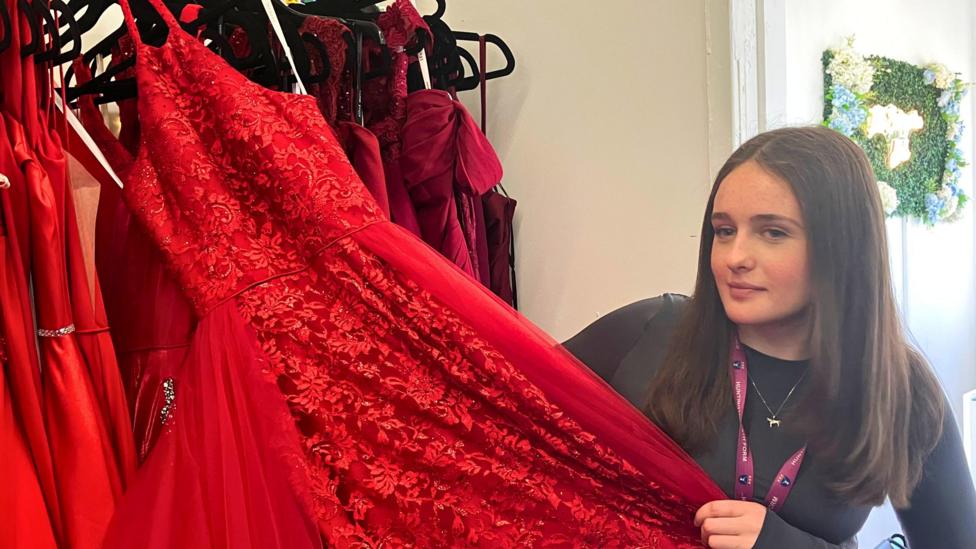
Teenage entrepreneurs at Huntington School change the way pupils shop for a prom dress.
Editorial perspective
AI-assisted
Prom spending in the UK and US has reached extraordinary levels, with families often allocating hundreds or thousands of pounds for a single evening's attire. This initiative by students at Huntington School represents a notable shift in consumer behavior among Generation Z, who are increasingly cost-conscious despite pressure to maintain social media-worthy appearances.
The emergence of student-led solutions to reduce prom expenditure reflects broader economic trends: young people navigating inflation, student debt concerns, and a more uncertain financial future than previous generations faced. By creating alternative shopping channels—likely involving dress sharing, rental schemes, or second-hand marketplaces—these teenagers are demonstrating early entrepreneurial instincts while addressing a genuine market inefficiency.
This grassroots movement also signals changing attitudes toward conspicuous consumption. If this pragmatic approach to discretionary spending becomes widespread among younger consumers, it could meaningfully impact retailers in the formal wear and broader fashion sectors, particularly those dependent on high-margin occasional wear sales.
Editorial perspective
AI-assistedProm spending in the UK and US has reached extraordinary levels, with families often allocating hundreds or thousands of pounds for a single evening's attire. This initiative by students at Huntington School represents a notable shift in consumer behavior among Generation Z, who are increasingly cost-conscious despite pressure to maintain social media-worthy appearances.
The emergence of student-led solutions to reduce prom expenditure reflects broader economic trends: young people navigating inflation, student debt concerns, and a more uncertain financial future than previous generations faced. By creating alternative shopping channels—likely involving dress sharing, rental schemes, or second-hand marketplaces—these teenagers are demonstrating early entrepreneurial instincts while addressing a genuine market inefficiency.
This grassroots movement also signals changing attitudes toward conspicuous consumption. If this pragmatic approach to discretionary spending becomes widespread among younger consumers, it could meaningfully impact retailers in the formal wear and broader fashion sectors, particularly those dependent on high-margin occasional wear sales.