The deal will remove an estimated £580m worth of tariffs from British exports, but rights groups are critical
Editorial perspective
AI-assisted
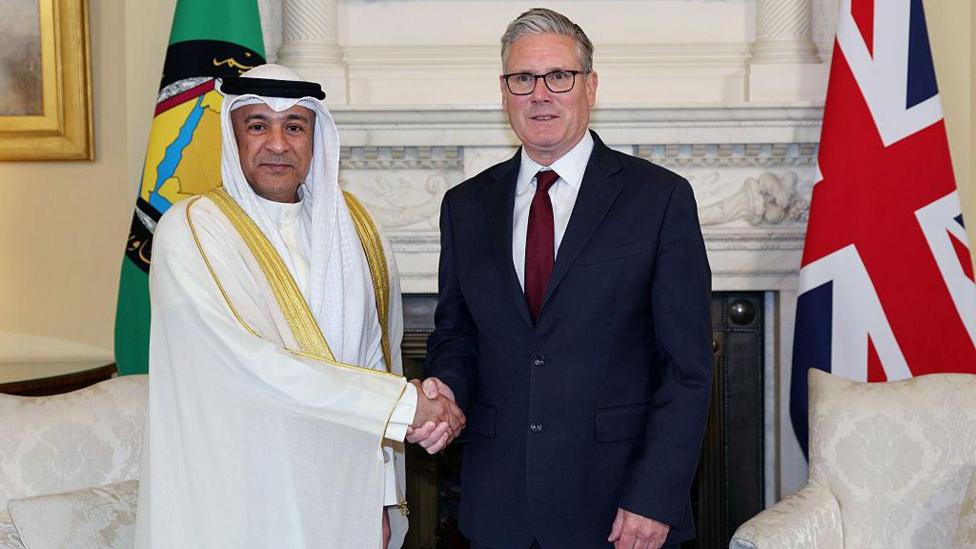
Britain's £3.7 billion trade agreement with Gulf Cooperation Council nations represents a meaningful post-Brexit milestone, eliminating substantial tariff barriers on exports to a wealthy, import-dependent region. The £580 million in duty savings should particularly benefit UK manufacturers, financial services, and agricultural exporters seeking diversification beyond European markets. Gulf states, flush with petrodollar reserves and ambitious economic transformation plans, offer strategic opportunities in infrastructure, renewable energy transition, and luxury goods.
However, the deal encapsulates the familiar tension between commercial pragmatism and ethical concerns that shadows Western engagement with autocratic regimes. Human rights organizations rightly highlight governance issues across these monarchies, from labor practices to political freedoms. For UK policymakers, the calculation is straightforward: secure tangible economic benefits while managing reputational risks. For investors, the agreement opens access to markets with strong fiscal positions and long-term development spending, though geopolitical volatility and reform uncertainties remain inherent portfolio considerations. The deal ultimately reflects Britain's economic realities in navigating a multipolar trading landscape.
Editorial perspective
AI-assistedBritain's £3.7 billion trade agreement with Gulf Cooperation Council nations represents a meaningful post-Brexit milestone, eliminating substantial tariff barriers on exports to a wealthy, import-dependent region. The £580 million in duty savings should particularly benefit UK manufacturers, financial services, and agricultural exporters seeking diversification beyond European markets. Gulf states, flush with petrodollar reserves and ambitious economic transformation plans, offer strategic opportunities in infrastructure, renewable energy transition, and luxury goods.
However, the deal encapsulates the familiar tension between commercial pragmatism and ethical concerns that shadows Western engagement with autocratic regimes. Human rights organizations rightly highlight governance issues across these monarchies, from labor practices to political freedoms. For UK policymakers, the calculation is straightforward: secure tangible economic benefits while managing reputational risks. For investors, the agreement opens access to markets with strong fiscal positions and long-term development spending, though geopolitical volatility and reform uncertainties remain inherent portfolio considerations. The deal ultimately reflects Britain's economic realities in navigating a multipolar trading landscape.