The oil shock meets the Fed ‘curse’: What Kevin Warsh’s swearing-in means for your portfolio
Market downturns typically tag new central-bank leaders. And Warsh faces a tough choice between crushing demand or saving the bull market.
Editorial perspective
AI-assisted
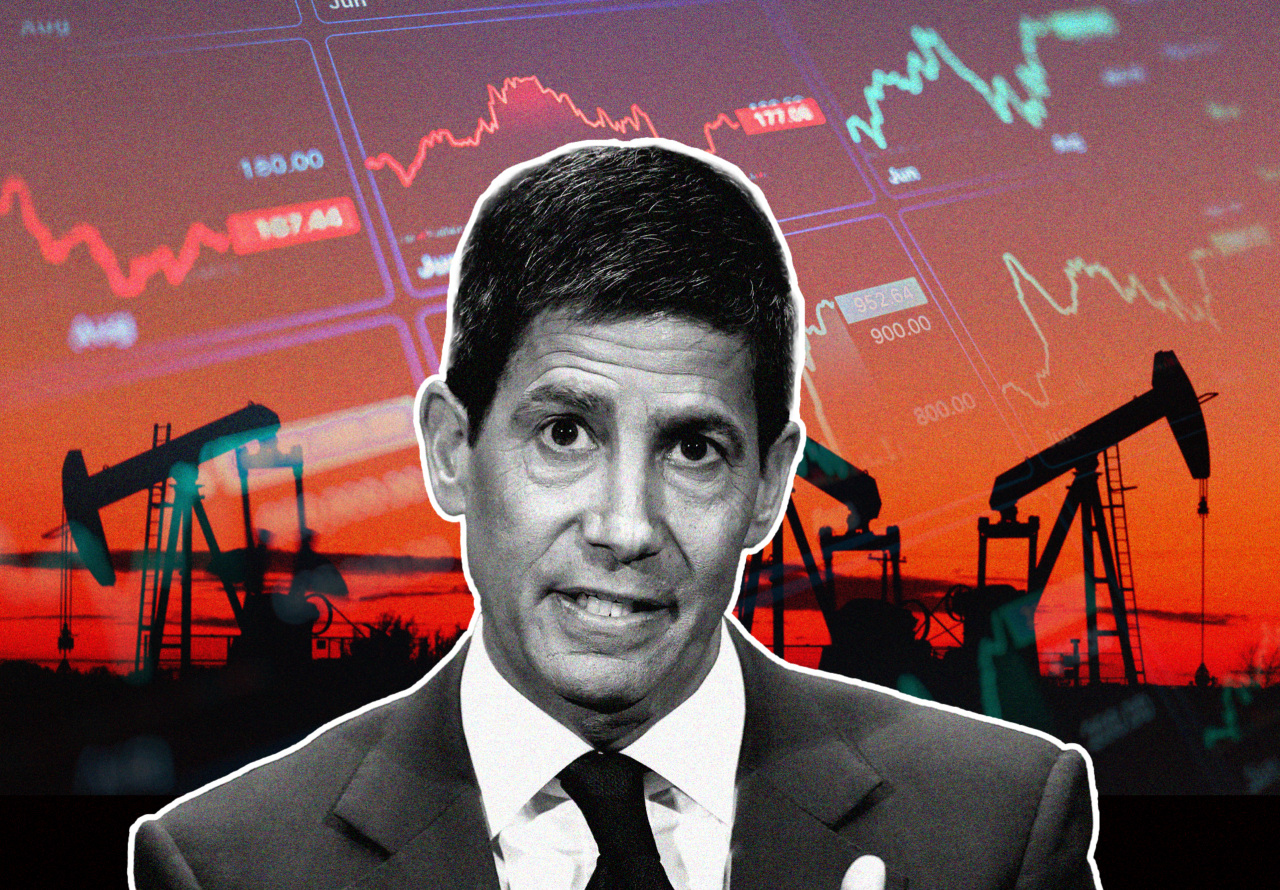
Kevin Warsh inherits the Federal Reserve chair at a precarious moment, confronting twin pressures that will test his policy instincts immediately. Recent oil price volatility compounds an already delicate inflation picture, forcing a stark trade-off: tighten aggressively to control price pressures, risking recession and equity market losses, or maintain accommodative policy to preserve economic growth and asset valuations while tolerating elevated inflation.
Historical precedent suggests trouble ahead. New Fed chairs frequently face market corrections early in their tenure as investors recalibrate expectations around policy direction. Warsh's past hawkish leanings may signal rate increases, putting downward pressure on valuations that depend on cheap money. Energy shocks make this calculus particularly fraught—they simultaneously fuel inflation and dampen consumer spending power.
Portfolio managers should prepare for heightened volatility regardless of Warsh's choice. Fixed-income investors face duration risk if rates rise, while equity holders must consider sector rotation toward value and energy names that typically outperform during inflationary periods and monetary tightening cycles.
Originally reported by Vlad Signorelli
for MarketWatch
Processing your unsubscribe…
Hang on a moment.
You've been unsubscribed.
You won't receive any more marketing messages from Refactor1a09dca9. Updates take effect within 24 hours.
That link has expired.
The unsubscribe link is no longer valid. You can opt out manually instead.
Editorial perspective
AI-assistedKevin Warsh inherits the Federal Reserve chair at a precarious moment, confronting twin pressures that will test his policy instincts immediately. Recent oil price volatility compounds an already delicate inflation picture, forcing a stark trade-off: tighten aggressively to control price pressures, risking recession and equity market losses, or maintain accommodative policy to preserve economic growth and asset valuations while tolerating elevated inflation.
Historical precedent suggests trouble ahead. New Fed chairs frequently face market corrections early in their tenure as investors recalibrate expectations around policy direction. Warsh's past hawkish leanings may signal rate increases, putting downward pressure on valuations that depend on cheap money. Energy shocks make this calculus particularly fraught—they simultaneously fuel inflation and dampen consumer spending power.
Portfolio managers should prepare for heightened volatility regardless of Warsh's choice. Fixed-income investors face duration risk if rates rise, while equity holders must consider sector rotation toward value and energy names that typically outperform during inflationary periods and monetary tightening cycles.