How Saudi Arabia's spending spree reached the end of the line
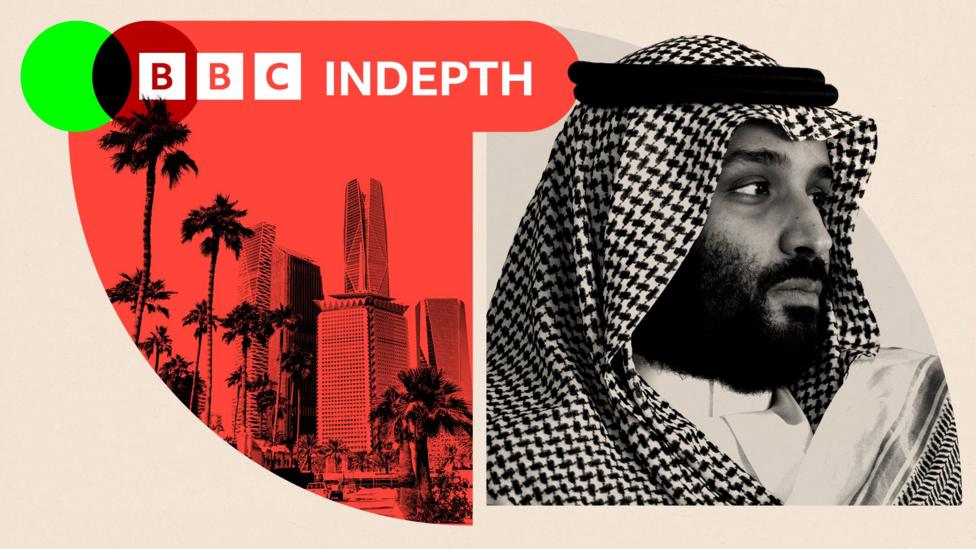
MBS's Vison 2030 project seemed the stuff of science fiction. Now reality has bitten
Editorial perspective
AI-assisted
Saudi Arabia's ambitious economic transformation under Crown Prince Mohammed bin Salman is confronting fiscal constraints that signal a broader recalibration in global capital markets. Vision 2030's extravagant megaprojects—from NEOM's linear city to luxury Red Sea resorts—were predicated on sustained high oil revenues and aggressive sovereign borrowing. The apparent scaling back reflects several converging pressures: volatile energy prices despite recent OPEC+ production cuts, rising debt servicing costs in a higher-rate environment, and investor skepticism about returns on speculative infrastructure.
This matters beyond Saudi borders. The kingdom's pullback indicates how even the wealthiest petrostates face discipline from bond markets and fiscal reality. For emerging markets, it demonstrates that commodities wealth alone cannot indefinitely fund transformation without market-validated business cases. The shift also affects global construction, consulting, and investment banking sectors that positioned themselves for a decade-long Saudi bonanza. Expect greater selectivity in which projects proceed and increased emphasis on commercial viability over prestige.
Editorial perspective
AI-assistedSaudi Arabia's ambitious economic transformation under Crown Prince Mohammed bin Salman is confronting fiscal constraints that signal a broader recalibration in global capital markets. Vision 2030's extravagant megaprojects—from NEOM's linear city to luxury Red Sea resorts—were predicated on sustained high oil revenues and aggressive sovereign borrowing. The apparent scaling back reflects several converging pressures: volatile energy prices despite recent OPEC+ production cuts, rising debt servicing costs in a higher-rate environment, and investor skepticism about returns on speculative infrastructure.
This matters beyond Saudi borders. The kingdom's pullback indicates how even the wealthiest petrostates face discipline from bond markets and fiscal reality. For emerging markets, it demonstrates that commodities wealth alone cannot indefinitely fund transformation without market-validated business cases. The shift also affects global construction, consulting, and investment banking sectors that positioned themselves for a decade-long Saudi bonanza. Expect greater selectivity in which projects proceed and increased emphasis on commercial viability over prestige.